
How to Measure Training Effectiveness:
A Complete Guide for Businesses
This article will focus on key aspects of Measure Training and its importance in professional development.
By John Pollard – Director – AMP Training Solutions Ltd.
How to Measure Training Effectiveness:
Businesses invest significant time and resources into employee training, but how can you tell if that investment is delivering real value?
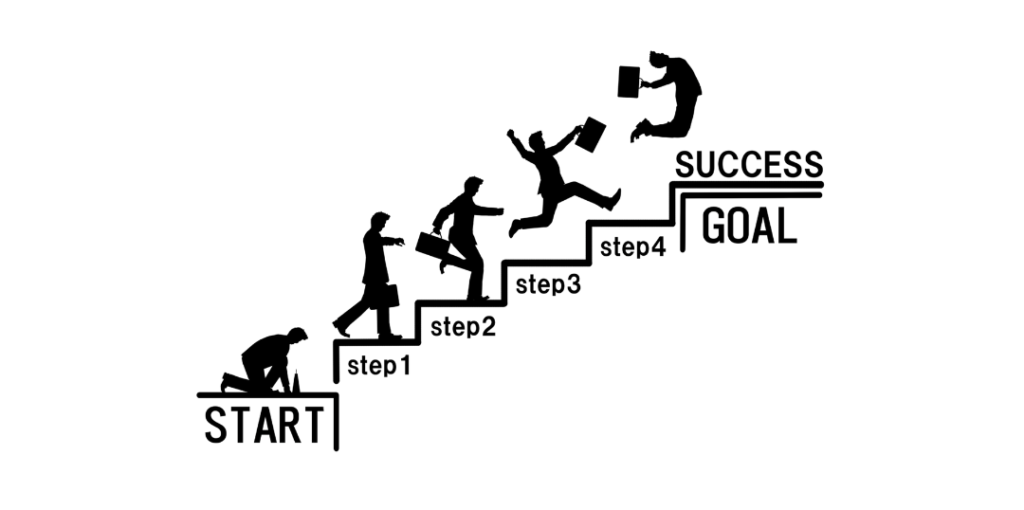
The message captured in this image has long shaped my approach to leadership and management

Whether you’re providing leadership development, compliance training, technical skills programmes, or onboarding courses, measuring training effectiveness is essential. Without proper evaluation, organisations risk spending money on initiatives that fail to improve performance, productivity, or business outcomes.
Effective training should do more than educate employees-it should create measurable improvements in knowledge, behaviour, and results. In this guide, we’ll explore how businesses can assess the impact of training programmes and ensure they are achieving meaningful returns on their investment.
But why does Measuring Training Effectiveness Matter?
Training is often viewed as a business expense, but when implemented correctly, it should be considered an investment.
Measuring training effectiveness helps organisations:
- Understand whether learning objectives have been achieved
- Identify strengths and weaknesses in training programmes
- Improve employee performance and productivity
- Demonstrate return on investment (ROI)
- Support employee development and retention
- Make informed decisions about future training initiatives
Most importantly, evaluation helps ensure that training contributes directly to business goals rather than becoming a simple box-ticking exercise.
The Four Levels Of How To Measure and Evaluate Training
One of the most widely recognised frameworks for measuring training effectiveness is the Kirkpatrick Model. Developed by Donald Kirkpatrick, this approach evaluates training across four levels.

1. Reaction
The first level measures how participants respond to the training.
Questions may include:
- Did employees find the training useful?
- Was the content relevant to their role?
- Was the training engaging and well delivered?
This information is typically collected through:
- Post-course surveys
- Feedback forms
- Trainer evaluations
- Satisfaction questionnaires
While positive feedback is encouraging, it should not be used as the sole measure of success.
2. Learning
The second level evaluates what participants actually learned during the training.
This can include:
- New knowledge gained
- Skills developed
- Increased confidence
- Improved understanding of key concepts
Methods for measuring learning include:
- Knowledge assessments
- Quizzes and tests
- Practical exercises
- Role-playing activities
- Certification examinations
If employees have not gained the intended knowledge or skills, the programme may require improvement.
3. Behaviour
This stage measures whether employees are applying what they learned in their day-to-day work.
Behavioural changes might include:
- Improved communication
- Better leadership practices
- Enhanced customer interactions
- Increased adherence to procedures
Measurement methods may involve:
- Manager observations
- Performance reviews
- Peer feedback
- Workplace assessments
- Follow-up coaching sessions
Behaviour change is often one of the strongest indicators that training has been effective.
4. Results
The final level focuses on organisational outcomes. This measures whether training has contributed to business objectives such as:
- Increased revenuea
- Higher productivity
- Improved customer satisfaction
- Reduced staff turnover
- Fewer workplace incidents
- Greater operational efficiency
At this stage, training is assessed not only as a learning activity but as a business investment.
Key Metrics to Track and Measure Training Outcomes
While every organisation has different goals, several key metrics can help measure training effectiveness consistently
- Sales figures
- Productivity rates
- Customer satisfaction scores
- Error reduction
- Project completion times
Employee Performance
One of the clearest indicators of success is improved employee performance.
Businesses should compare performance data before and after training, looking at metrics such as:
Tracking performance trends over time can provide valuable insights into the impact of training.
Knowledge Retention
Learning is only valuable if employees retain and apply it. Knowledge retention can be measured through:
- Follow-up assessments
- Refresher quizzes
- Practical demonstrations
- Scenario-based exercises
Conducting evaluations several weeks or months after training often reveals whether learning has truly been embedded.
Employee Engagement
Training can have a significant impact on engagement and job satisfaction. Indicators may include:
- Increased motivation
- Improved confidence
- Higher participation levels
- Greater commitment to professional development
Regular employee surveys can help organisations understand the broader impact of learning initiatives.
Completion Rates
Although completion rates alone do not measure effectiveness, they provide useful information. Low completion rates may indicate:
- Poor course design
- Lack of relevance
- Time constraints
- Low engagement levels
High completion rates combined with strong learning outcomes generally suggest a successful programme.
How to Measure Training ROI
For many business leaders, return on investment is the most important measure of success.
Training ROI helps determine whether the benefits generated outweigh the costs incurred.
A simple formula is:
ROI (%) = [(Training Benefits – Training Costs) ÷ Training Costs] × 100
For example:
- Training Cost: £10,000
- Increased Revenue Generated: £40,000
ROI = [(£40,000 – £10,000) ÷ £10,000] × 100
ROI = 300%
This means the training delivered three times the value of the original investment.
While some benefits—such as improved morale or leadership capability—can be difficult to quantify, calculating ROI provides valuable evidence when evaluating learning and development budgets.
Common Challenges When Measuring Training Effectiveness
Measuring Soft Skills
Skills such as leadership, communication, and emotional intelligence can be harder to quantify than technical competencies.
In these cases, businesses often rely on observations, feedback, and behavioural assessments.
Lack of Follow-Up
Many organisations collect feedback immediately after training but fail to evaluate long-term impact.
Without follow-up assessments, it becomes difficult to determine whether learning has translated into workplace performance.
Multiple Influencing Factors
Business performance is affected by numerous variables. Increased sales or productivity may not result solely from training.
This is why combining multiple evaluation methods often produces the most accurate results.
Best Practices for Effective Training Evaluation
To maximise the value of training measurement, organisations should:
Set Clear Goals From the Start
Define success before training begins. Clear objectives create a foundation for meaningful evaluation.
Use Multiple Data Sources
Combine surveys, assessments, observations, and business performance metrics to gain a comprehensive view.
Measure Over Time
Evaluate training immediately after completion and again several weeks or months later to assess long-term impact.
Involve Managers
Managers are often best placed to observe behavioural change and reinforce learning within teams.
Continuously Improve
Training evaluation should not simply prove success—it should identify opportunities for improvement and future development.
Final Thoughts
Training can be a powerful driver of employee growth, productivity, and business success-but only when its impact is measured effectively.
By setting clear objectives, tracking meaningful metrics, and evaluating behavioural and business outcomes, organisations can gain a true understanding of their training programme’s effectiveness.
The most successful businesses view training not as a one-time event but as an ongoing process of learning, measurement, and improvement. When training is evaluated consistently, it becomes easier to demonstrate value, improve performance, and ensure every learning initiative contributes to long-term business success.
If you are interested in either online or ace to face training, please see our range on online and face to face options we have available: Click here or click here for the direct link to our range of online training options.