
Are Your Skills as Sharp as You Think They Are?
The Importance of Ongoing Training
Completing a training course is an important first step in developing new skills and knowledge. However, how much do you remember weeks, months or even years later? Whether it’s first aid, workplace safety or professional development, knowledge can fade over time if people don’t regularly revisit and apply what they’ve learned. Ongoing training helps reinforce key concepts, strengthen skills and keep knowledge fresh.
Training shouldn’t be viewed as a one-off activity or simply a requirement to gain a certificate. Ongoing training plays an important role in maintaining confidence and developing competence. It also ensures individuals feel prepared to deal with situations they may encounter in the workplace and beyond.
So, when was the last time you tested what you know?
It’s easy to assume that once we’ve completed a training course, the information will stay with us. However, without regular practice or opportunities to refresh our understanding, important details can become harder to recall.

This is particularly important when it comes to skills such as first aid and emergency response. Knowing what to do in an emergency is one thing, but being able to remember and confidently apply that knowledge under pressure is another.
the importance of regular training…
Regular training and refresher sessions help people revisit important information, strengthen good practice and identify areas where they can develop further. After all, having knowledge is valuable. But being able to put it into action when it matters is what really counts.
The workplace is constantly evolving. Workplaces evolve, new technologies emerge, equipment changes, and job responsibilities grow over time.As a result, the knowledge and skills employees need to carry out their roles effectively may also change.
Ongoing training helps ensure that individuals remain up to date with current guidance, workplace procedures and best practice. It also helps individuals identify gaps in their knowledge, strengthen their understanding and build on existing skills.
For employers, investing in regular training demonstrates a commitment to employee development, workplace safety and maintaining high standards. For employees, it can help build confidence and improve performance. Furthermore, it provides reassurance that they have the skills and knowledge needed to do their jobs safely and effectively.
Putting Knowledge into Practice
One of the most effective ways to reinforce learning is to put it into practice.
Practical activities, refresher sessions, workplace exercises and knowledge checks all help individuals revisit what they have learned and consider how they would apply it in real-life situations.
For example:
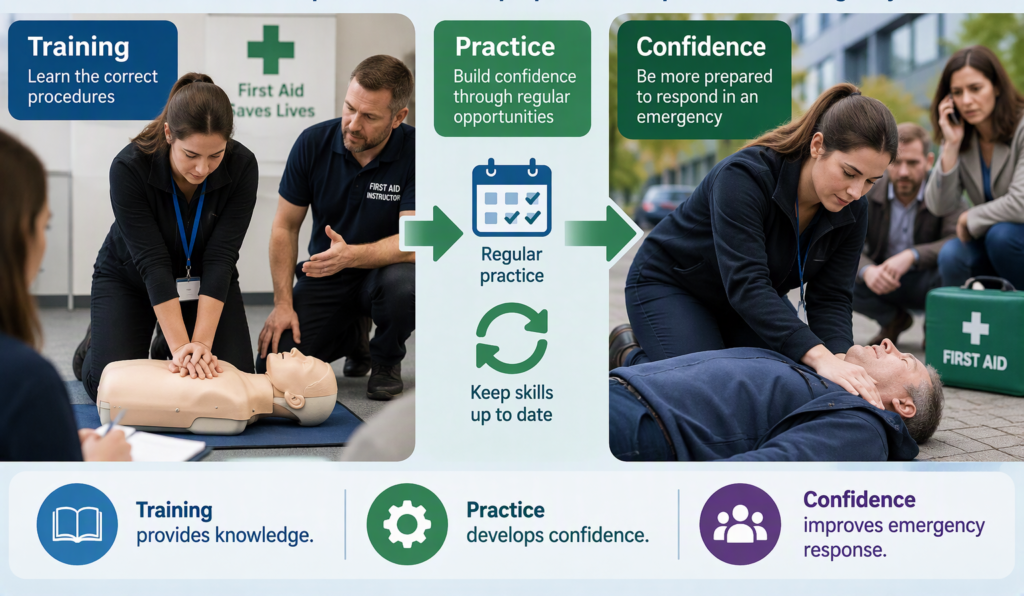
If someone who has completed a first aid course may understand the correct procedures during training, but regular opportunities to practise those skills can help them feel more prepared to respond in an emergency.
Likewise, revisiting workplace health and safety procedures can help employees recognise potential hazards, understand their responsibilities and make safer decisions in their day-to-day roles.
Testing knowledge doesn’t have to mean sitting another formal assessment.
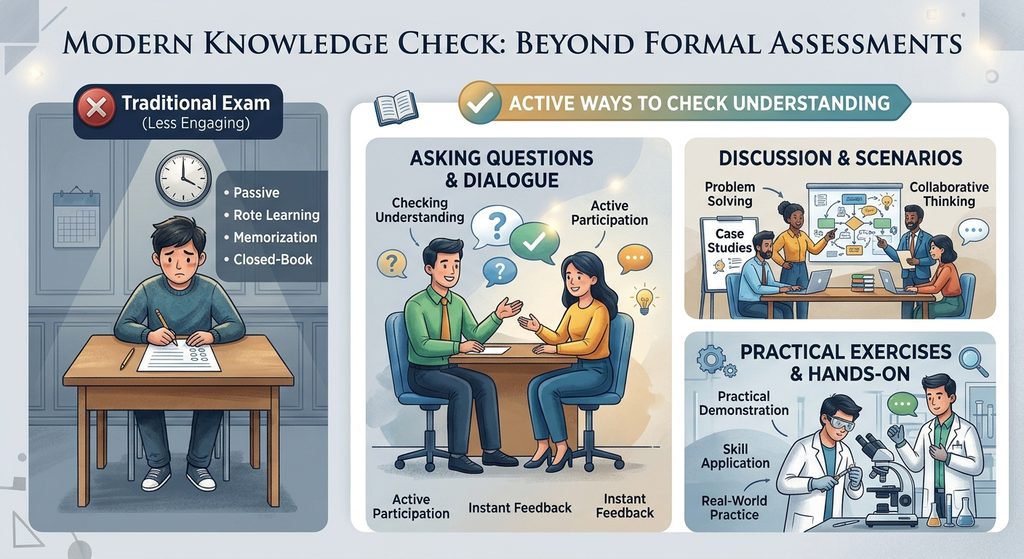
It can be as simple as asking questions, discussing different scenarios or taking part in practical exercises. The important thing is to make learning an ongoing process rather than something that happens once and is quickly forgotten.
Confidence is an important part of competence. Even when someone has the right knowledge, a lack of practice can make them hesitant or unsure when faced with an unfamiliar situation.
Regular refresher training helps reinforce existing skills and gives individuals the opportunity to ask questions, revisit challenging topics and build confidence in their abilities.
Why wait…
Instead of waiting for a certificate to expire or for a situation to put your skills to the test, make learning a regular habit. Taking a proactive approach helps individuals stay confident, capable and prepared throughout the year.
Making Ongoing Learning Part of Everyday Working Life
Ongoing training doesn’t always need to involve a full-day course or taking employees away from their usual responsibilities.
There are many ways organisations can encourage continuous learning, including:
- Refresher training: Revisiting important topics to reinforce knowledge and good practice.
- Knowledge checks: Using short quizzes or informal assessments to identify areas that may need further attention.
- Practical exercises: Giving employees opportunities to practise skills and apply their learning.
- Team discussions: Sharing experiences, discussing workplace scenarios and learning from others.
- Regular reviews: Checking that employees remain familiar with relevant procedures, responsibilities and current guidance.
By making learning part of everyday working life, organisations can create a culture where development is encouraged and employees feel supported in maintaining their skills and knowledge.
Don’t Just Rely on What You Learned Yesterday
Completing a training course is an achievement, but it shouldn’t be the end of the learning journey.
Whether it’s first aid, health and safety, fire safety or another area of professional development, taking the time to revisit and test your knowledge can make a real difference.
Ask yourself: If you were faced with the situation you trained for today, would you know exactly what to do? Would you feel confident putting your skills into practice?
If you’re not entirely sure, it could be time for a refresher.
How AMP Training Solutions Ltd Can Help
At AMP Training Solutions Ltd, we understand that effective training is about more than delivering information and issuing certificates.
With over 22 years of experience in health and safety training, we recognise the importance of making learning relevant, engaging and appropriate to the people taking part.
We work with individuals, businesses and organisations across Wales and England, providing training that can be tailored to individual requirements and delivered at your workplace or a suitable training venue.
Whether you are looking for first aid, fire safety, manual handling, safeguarding or other workplace training, our focus is on helping learners develop knowledge and skills they can take back into their working environments.
We also recognise that every organisation is different. The challenges faced by a small business may differ considerably from those experienced by a school, care provider, leisure facility or local authority.
Understanding those differences helps ensure that training is relevant to the people attending and the environments in which they work.
Our approach is built around personal service, practical learning and supporting people to get the most from their training experience.
Final Thoughts
Learning doesn’t end when a training course finishes. In reality, that is often when the most important part begins.
Skills and knowledge need regular attention to stay effective. By revisiting key topics, taking part in refresher training and looking for opportunities to put learning into practice, individuals can strengthen their competence. In addition, they maintain their confidence and stay prepared for the situations that matter most.
Whether you’re an employee wanting to stay sharp or an employer committed to developing your workforce, ongoing training is an investment that delivers long-term benefits. It helps create safer workplaces, more capable teams and individuals who are ready to respond when challenges arise.
So, take a moment to ask yourself:
What training have you completed recently, and when did you last put that learning to the test?
The answer could reveal your next opportunity for growth. After all, training is not just about knowing what to do. It’s about being ready and confident enough to do it when it counts.
Don’t let valuable skills fade. Keep learning, keep practising and stay prepared.
Explore our range of online and face-to-face training courses designed to support individuals, teams and organisations. Visit our website here or browse our full online training catalogue directly here.
Invest in ongoing learning today and build the confidence to perform when it matters most. Alternatively please drop us an email or call us for a transparent conversation.
Leave a Reply