
The value of knowing first aid…
By Lisa Bousted – AMP Training Solutions Ltd – Trainer/Assessor. In this article, I will discuss the value of First Aid and why understanding it is so important.
What is the real value of knowing First Aid and why it Matters More Than You Might Think…
Most people don’t think about first aid until they actually need it-and by that point, it can feel a bit too late! In reality, having even a basic understanding of first aid can make a significant difference, not just in serious emergencies but in everyday situations as well. It is one of those skills that people often assume they will never need, but when a situation does arise, it quickly becomes clear how valuable that knowledge is. The value of First Aid becomes most apparent in these unexpected moments.
But how does knowing a basic skill prepare you for the worst?
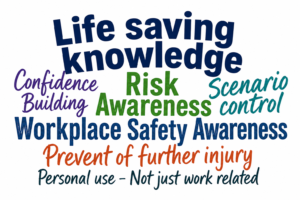
Life Saving Knowledge
This may sound straightforward, but it is true. If someone collapses, begins choking, or sustains a serious injury, the first few minutes are critical. Emergency services are not always immediately available, and in those situations, the actions taken by the people present can have a direct impact on the outcome and highlight the value of First Aid in real life.
Being able to carry out simple but effective interventions—such as CPR, placing someone in the recovery position, or controlling bleeding—can help to maintain life until professional help arrives. Even having the confidence to step forward and assist can make a difference, as delays or hesitation can reduce the chances of a positive outcome. After all, the value of First Aid is proven in the ability to act during critical moments.
Preventing Further Injury
Not every situation is life-threatening, but without the right response, minor incidents can become more serious. Knowing how to treat a burn correctly, support a suspected fracture, or clean and dress a wound can prevent complications and reduce the risk of infection.
For example, something as simple as applying the correct treatment to a burn in the early stages can significantly improve healing. Similarly, knowing how to manage bleeding effectively can prevent unnecessary blood loss and reduce the severity of the situation. In many cases, the initial care provided will influence how well and how quickly someone recovers.
Staying in Control
Emergencies can be stressful, and it is natural for people to feel unsure of what to do. Without any prior knowledge, it is easy to panic or hesitate, which can delay the response. First aid training provides a clear structure to follow, allowing individuals to approach the situation in a more controlled and practical way.

Having this structure helps to reduce uncertainty. Instead of reacting emotionally, you are able to focus on what needs to be done. This not only benefits the casualty but also helps to create a calmer environment for others who may be present.
When an incident occurs, there is often a level of confusion or panic among those present. People may not know what to do, or they may be reluctant to get involved. In these situations, having someone with first aid knowledge can help to bring some structure to what is happening. – (See Aprils Blog: Fight, Flight or Freeze)
Taking simple steps-such as assessing the situation, ensuring the area is safe, and providing appropriate care-can help to stabilise the casualty and prevent further harm. It can also help to direct others, whether that is asking someone to call emergency services or to assist where needed.
This ability to take a more organised approach can make a significant difference, particularly in situations where time and clarity are important.
The Holistic Approach
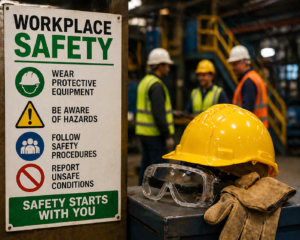
In environments such as leisure facilities, where there may be additional risks, having staff who are confident and competent in first aid is particularly important.
Workplace Safety:
From a workplace perspective, first aid plays an important role in maintaining a safe environment. Having trained individuals on site ensures that there is an appropriate response available if an incident occurs. In many settings, this is not only good practice but also a requirement. However, beyond compliance, it demonstrates a commitment to the wellbeing of staff and visitors. It also helps to ensure that incidents are managed effectively, which can reduce the overall impact and support a quicker return to normal operations.
Transferable Skills:
First aid is not limited to one environment or role. The same principles apply whether you are at work, at home, or out in public. This makes it a highly transferable skill that remains relevant in many different situations.
Unlike some forms of training that are specific to a particular job, first aid can be applied throughout life. Once learned, it can be refreshed and built upon, ensuring that the knowledge remains up to date and effective.
Confidence:
confidence that builds over time. Initially, people may feel unsure about their ability to respond, but with training and practice, this confidence increases.

This does not mean that every situation will feel easy, but it does mean that you are better prepared to deal with it. Knowing that you have the skills to make a difference can reduce hesitation and encourage a more proactive response.
Final Thought
Knowing first aid means being prepared to take action. Emergencies can occur at any time, and first aid training gives you the confidence and skills to respond immediately. In those crucial moments, your actions can save lives and reduce the severity of injuries.
Overall, first aid provides a practical skill that builds confidence and promotes safety. While emergencies may be rare, the ability to respond effectively can have a profound impact when they occur. That makes first aid an essential skill for both personal and professional settings.
If you or your team are looking for an opportunity to train in areas such as Basic Life Support, or Emergency First Aid, why not reach out today. If you Alternatively, feel free to browse the range of online courses we have available to complete at your own pace.